The Future of ChatGPT and AI Chatbots: Where Are We Really Headed?
Meta Description: ChatGPT changed how the world talks to machines. But where is chatbot technology actually going next? Here’s an honest look at the future of AI conversation.
A few years ago, chatbots were mostly a source of frustration. You’d type a question into a customer service window, get a robotic, scripted response that didn’t actually answer what you asked, and eventually give up and call a human instead. Then ChatGPT arrived, and almost overnight, the perception of what a chatbot could do completely changed.
Today, millions of people use AI chatbots every day — not just for customer support, but for writing help, brainstorming, coding, studying, and even casual conversation. So the natural question becomes: what’s next? Where does this technology go from here?
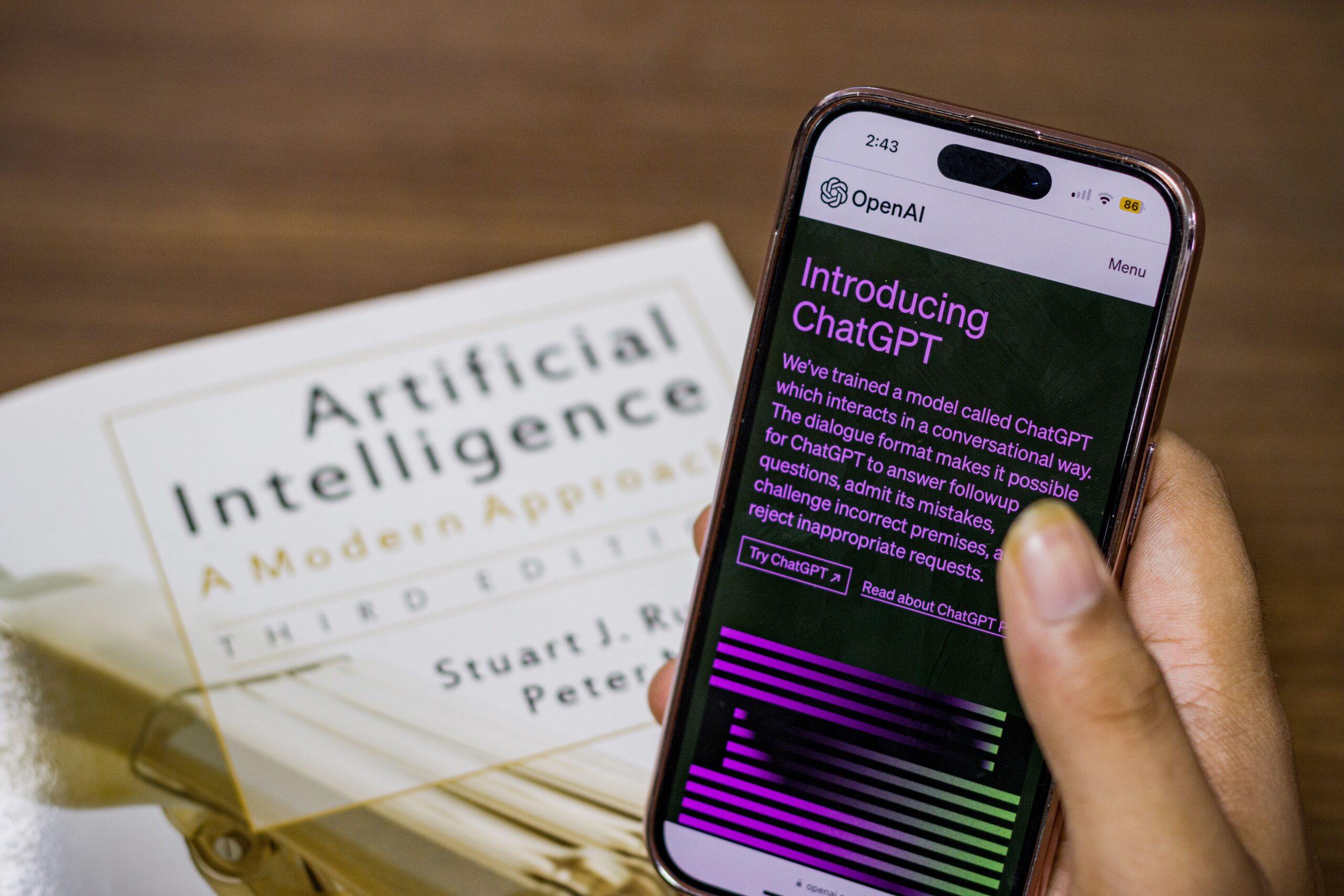
From Scripted Bots to Real Conversation
The biggest shift wasn’t just that ChatGPT could answer questions — it was that it could hold a conversation. Older chatbots worked off rigid decision trees: if a user typed X, the bot replied with Y. There was no real understanding involved.
Modern AI chatbots are built on large language models that have been trained on massive amounts of text, allowing them to understand context, follow up on previous messages, and generate responses that actually sound like something a person would say. This is the foundation that made tools like ChatGPT, Gemini, and Claude genuinely useful rather than just a novelty.
Chatbots Are Becoming More Than Just Chat
One of the clearest trends right now is that AI chatbots are no longer limited to text conversations. They’re increasingly able to:
- Browse the internet for current information
- Analyze uploaded documents, spreadsheets, and images
- Write and run code
- Generate images and visual content
- Connect to other apps and tools to actually complete tasks, not just describe them
This shift — from “answering questions” to “getting things done” — is arguably the biggest change happening in this space. Instead of just asking a chatbot for advice, people are starting to hand it real tasks: booking research, drafting documents, organizing data, or managing parts of their workflow.
Personalization Is the Next Big Frontier
Right now, most chatbot interactions still start from scratch every time. But that’s changing quickly. AI assistants are increasingly able to remember context from past conversations, adapt to a person’s tone and preferences, and give more relevant answers based on someone’s actual history and needs.
This kind of personalization raises real questions about privacy, but it also makes these tools genuinely more useful. A chatbot that remembers you’re a beginner at coding, or that you prefer short and direct answers, can serve you far better than one that treats every conversation as a blank slate.
Voice Is Becoming the New Default
Typing to a chatbot is convenient, but talking to one feels even more natural — and that’s exactly where the technology is heading. Voice-based AI assistants are improving rapidly, with more natural-sounding speech, faster response times, and the ability to have real back-and-forth conversations rather than the stiff, command-based interactions we’re used to with older voice assistants.
In the near future, talking to an AI chatbot may feel less like using an app and more like calling a knowledgeable friend who happens to be available 24/7.
Chatbots in Business: From Support to Strategy
Businesses were early adopters of chatbot technology, mostly for customer service. But that role is expanding fast. Companies are now using AI chatbots for:
- Onboarding new employees and answering internal policy questions
- Assisting sales teams by summarizing customer interactions
- Helping marketing teams brainstorm and draft content
- Supporting developers by explaining and even writing code
- Analyzing business data to identify trends humans might miss
As these tools become more capable, chatbots are shifting from being a support function to becoming an actual part of how decisions get made inside a company.
The Challenges That Still Need Solving
For all the progress, AI chatbots aren’t perfect, and it’s worth being honest about that. A few key challenges remain:
Accuracy and hallucination — AI models can sometimes generate answers that sound confident but are factually wrong. Improving reliability, especially for sensitive topics like health or legal advice, remains an ongoing focus for developers.
Bias in responses — Since these models learn from existing data, they can sometimes reflect biases present in that data. Companies are actively working on better training methods and human oversight to reduce this.
Privacy concerns — As chatbots become more personalized, they naturally handle more personal information, which means data protection has to keep pace with capability.
Over-reliance — There’s a growing conversation about whether people are leaning on AI too heavily for tasks that require critical thinking, especially in education.
None of these are reasons to dismiss the technology — but they are real considerations that will shape how chatbots are regulated and built going forward.
What Chatbots Might Look Like in the Next Few Years
Looking ahead, a few trends seem likely to define the next phase of AI chatbots:
- Multimodal by default — Chatbots will routinely handle text, voice, images, and documents together in a single conversation, rather than treating each as a separate feature.
- Deeper integration into daily tools — Instead of opening a separate chatbot app, AI assistance will be built directly into email, spreadsheets, browsers, and workplace software.
- Agentic behavior — Chatbots will increasingly be able to complete multi-step tasks on their own, like researching a topic, drafting a report, and organizing the results, rather than just answering one question at a time.
- Better memory and context — Assistants will get better at remembering relevant details across conversations, making interactions feel more continuous rather than starting over each time.
- Stronger safety and accuracy checks — As adoption grows, so will the pressure to make these systems more reliable, transparent, and less prone to error.
Final Thoughts
ChatGPT didn’t just introduce a new app — it introduced a new way of interacting with technology. And the direction is clear: AI chatbots are moving from simple question-answering tools toward genuine assistants capable of understanding context, completing tasks, and adapting to individual needs.
The technology still has real limitations, and it’s important to use it with a healthy dose of critical thinking rather than blind trust. But one thing is certain — the way we talk to machines has changed permanently, and the next few years are likely to make that conversation feel even more natural than it already does.