
Introduction
A resume is one of the most important documents in your job search. It is often the first impression you make on an employer. A well-written resume can increase your chances of getting shortlisted, while a weak resume can lead to rejection—even if you have good skills.
In this guide, you will learn how to create a professional resume that stands out and helps you get more job interviews.
What is a Resume?
A resume is a document that highlights your:
- Skills
- Education
- Work experience
- Achievements
It gives employers a quick overview of your qualifications and suitability for a job.
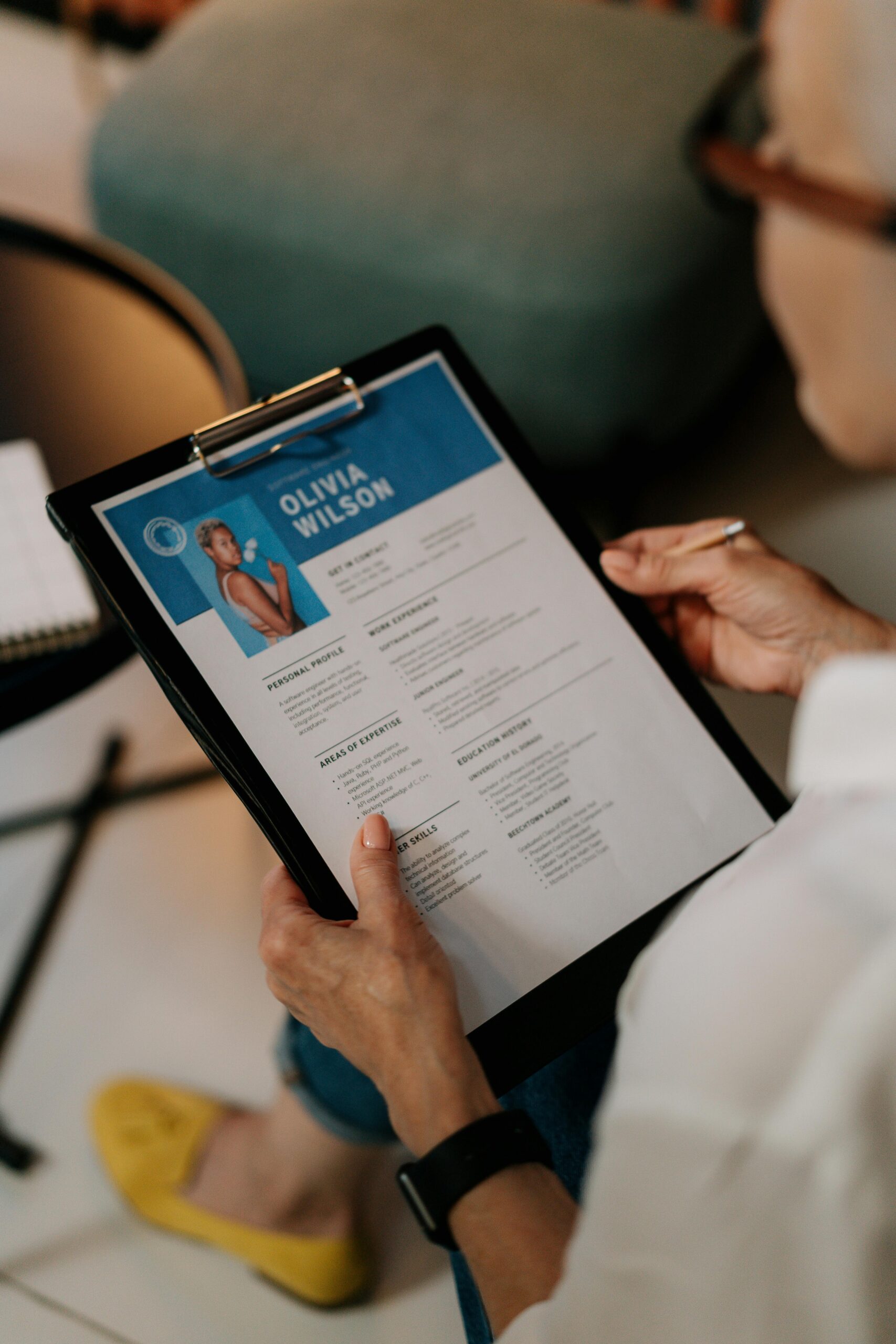
Choose the Right Resume Format
There are three main types of resumes:
- Chronological Resume – Focuses on work experience
- Functional Resume – Focuses on skills
- Combination Resume – Mix of both
👉 For beginners, a simple chronological format works best.
Add Your Contact Information
Start your resume with basic details:
- Full Name
- Email Address
- Phone Number
- Location (City, Country)
Make sure your email looks professional.
Write a Strong Resume Summary
This is a short paragraph at the top of your resume.
Example:
“Motivated and detail-oriented graduate with strong communication and problem-solving skills, seeking an entry-level position to grow professionally.”
👉 Keep it short and clear.
Highlight Your Skills
List skills that are relevant to the job.
Examples:
- Communication skills
- Computer skills
- Technical skills (e.g., Excel, Programming)
👉 Do not add unnecessary or unrelated skills.
Add Work Experience (If Any)
Mention your previous jobs or internships.
Include:
- Job title
- Company name
- Duration
- Key achievements
Example:
“Increased sales by 20% through effective customer communication.”
Include Your Education
Add your educational background:
- Degree
- Institution name
- Year of completion
Keep It Simple and Clean
- Use simple fonts
- Keep formatting neat
- Avoid too many colors or designs
A clean resume looks more professional.
Common Resume Mistakes to Avoid
- Spelling or grammar mistakes
- Too long resume (keep it 1–2 pages)
- Adding irrelevant information
- Using unprofessional email
Bonus Tips for Better Results
✔ Customize your resume for each job
✔ Use bullet points for easy reading
✔ Highlight achievements, not just duties
✔ Save your resume in PDF format
Final Thoughts
A strong resume can open the door to job opportunities. It does not need to be complicated—just clear, relevant, and professional.
Take time to build a good resume and update it regularly as you gain more experience.